





When we talk about anti-loss trackers and GPS positioning, we are talking about two of the more useful pieces of everyday technology. Both help you keep track of where your things are. But there are some key differences between them. This article looks at how anti-loss trackers and GPS positioning differ, and where each one fits.


GPS positioning: the strengths of a global system
Anti-loss trackers: built for finding small items


The strengths of GPS are accuracy and global coverage. Wherever you are, as long as the satellite signal is good enough, GPS can establish your position. That is why it is used so widely in navigation, marine work, defense, and science.
For tracking small everyday items, though, GPS has limits. GPS units generally need a larger power source and more complex hardware, which restricts how small they can get. GPS also takes time to establish a satellite connection, which does not suit situations where you want a location right now.
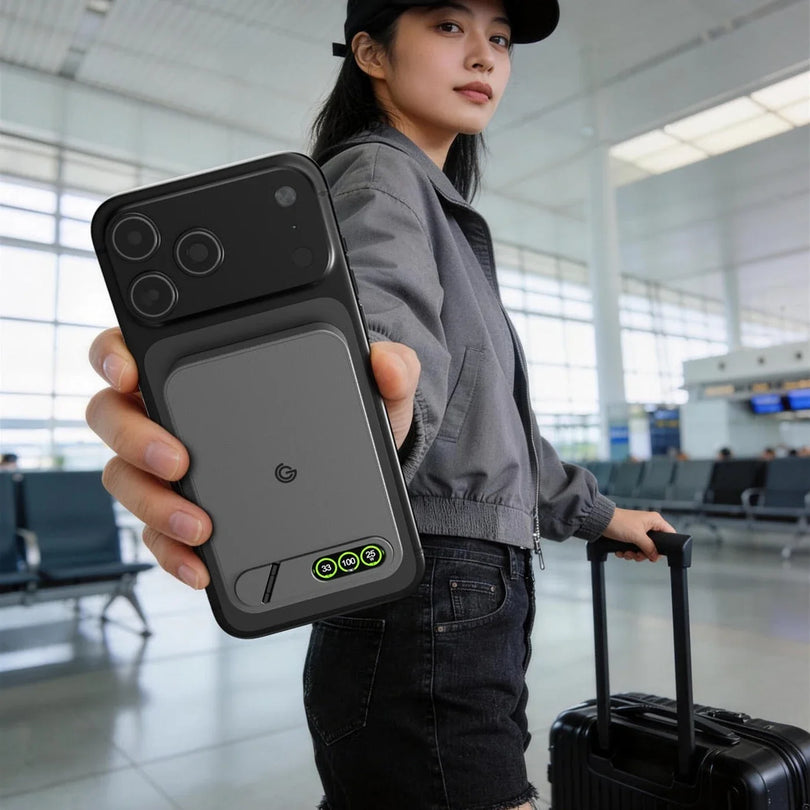
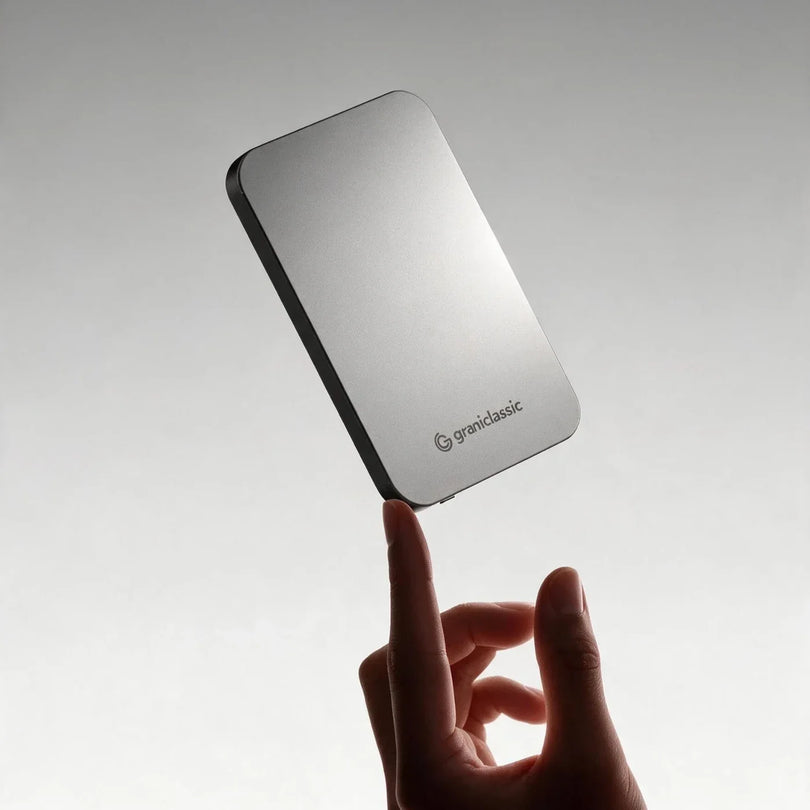
An anti-loss tracker is a small device that usually connects to a smartphone over Bluetooth. It attaches easily to your things: keys, a handbag, luggage. The tracker sends the item's position to a dedicated app on your phone, so you can check on your things whenever you want and find them quickly.
By comparison, anti-loss trackers suit small items better. They are smaller and draw less power, so they run far longer on a charge or a coin cell. They also connect faster, delivering the item's position to your phone right away.

Where each one fits
GPS positioning suits situations that call for precise global location, such as car navigation or outdoor activity.
Indoors, or on small items, GPS is less effective, because it needs time to establish a signal connection.


Anti-loss trackers suit small items better
In short, anti-loss trackers and GPS positioning overlap in technology but have different strengths and different jobs. GPS has the advantage in global positioning, which suits larger items or situations that need high accuracy. Anti-loss trackers suit small items, and their light, immediate character makes them a genuinely useful everyday tool. When choosing a location device, match it to what you actually need and where you will use it, so you have the best chance of getting a lost item back.


