




Good dog care is not about how much gear you own. It is about whether your daily habits hold up.
Plenty of owners spend hours choosing food, treats, and toys, then overlook whether the water is fresh, whether portions stay consistent, and whether hair, dander, and odor around the house get dealt with regularly. Those small, unglamorous routines say more about a dog's quality of life over time.
This guide covers water, food, and the home environment: the details that most often get missed, and how to build a care routine you can actually keep up.
Start with clean, fresh water, always available
Water is essential to a dog every single day. How much a dog needs depends on weight, diet, activity, ambient temperature, and health, so instead of chasing a fixed formula, focus on keeping clean water available at all times and knowing what your dog's normal drinking looks like.
A bowl that has been sitting out collects dust, hair, food debris, and biofilm. Topping it up without washing the bowl does not make the water clean, however full it looks. The US CDC recommends washing your pet's water bowl and dry food bowl at least once a day, and washing bowls used for wet food after every use. Reference: CDC guide to cleaning pet supplies
If your dog does not drink much on their own, try moving the bowl, adding a second water station, or watching how they respond to running water. Some dogs prefer moving water, but preferences vary, so go by what your dog actually drinks.
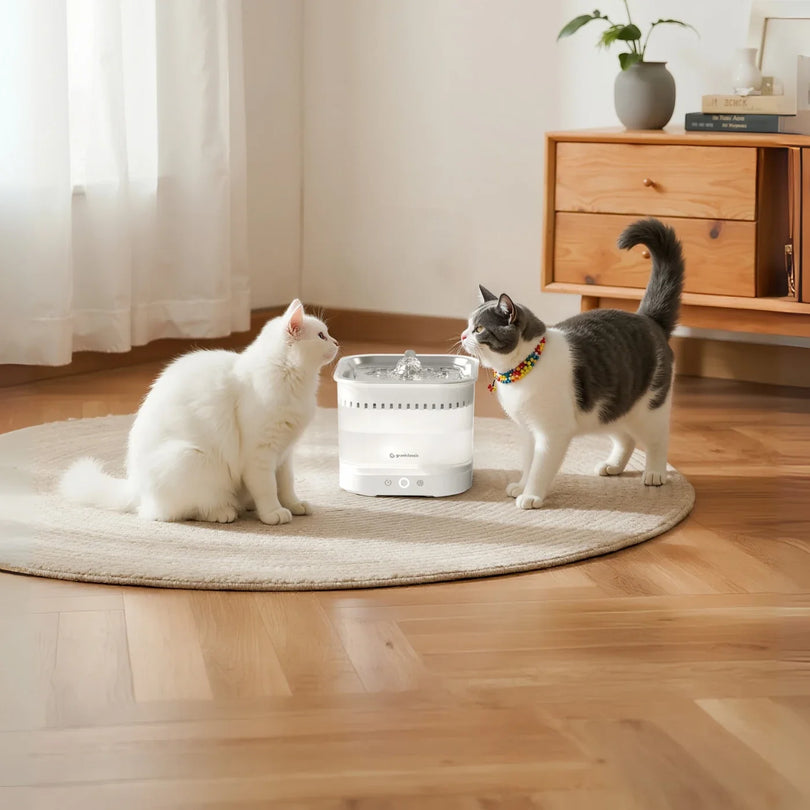
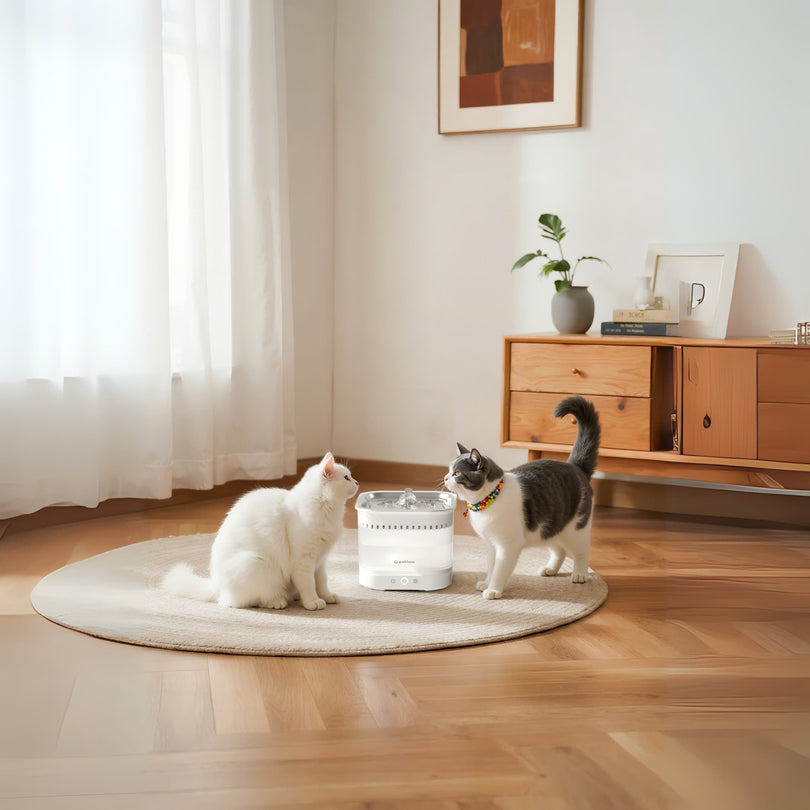
With a pet water fountain, look past capacity and noise and check whether the reservoir, spout, pump, and tubing are easy to take apart and wash. A filter catches some hair and debris. It does not replace changing the water and cleaning the unit.
There is no single replacement interval that fits every filter. Follow the manufacturer's guidance and adjust for your water quality, the number of pets, and how dirty it actually gets. Weak flow, an off smell, visible grime, or discolored filter material all mean it is time to clean or replace, even if the stated interval has not passed.
If your dog's water intake rises or falls sharply and stays that way, or comes with changes in energy, appetite, or urination, talk to your veterinarian rather than assuming new equipment will fix it.
For more on the blind spots in water, food, and household hygiene, see pet hygiene done right: the three blind spots in water, food, and environment.

Feeding is about portions and appetite, not just timing
Late nights, travel, and last-minute plans all disrupt a feeding schedule. An occasional late meal is not necessarily a health problem, but without consistent portions and some record of feeding, it is hard to know how much your dog actually ate, and easy to miss appetite changes, double feeding, or too many calories.
A feeding routine is more than meals on time. It also covers:
- Setting daily portions by age, size, activity level, and health.
- Counting treats and training rewards toward the daily calorie total.
- Checking weight, body condition, and appetite regularly.
- Noting whether the dog has been fed, when several people share the job.
- Transitioning gradually between foods, so a sudden switch does not upset the stomach.
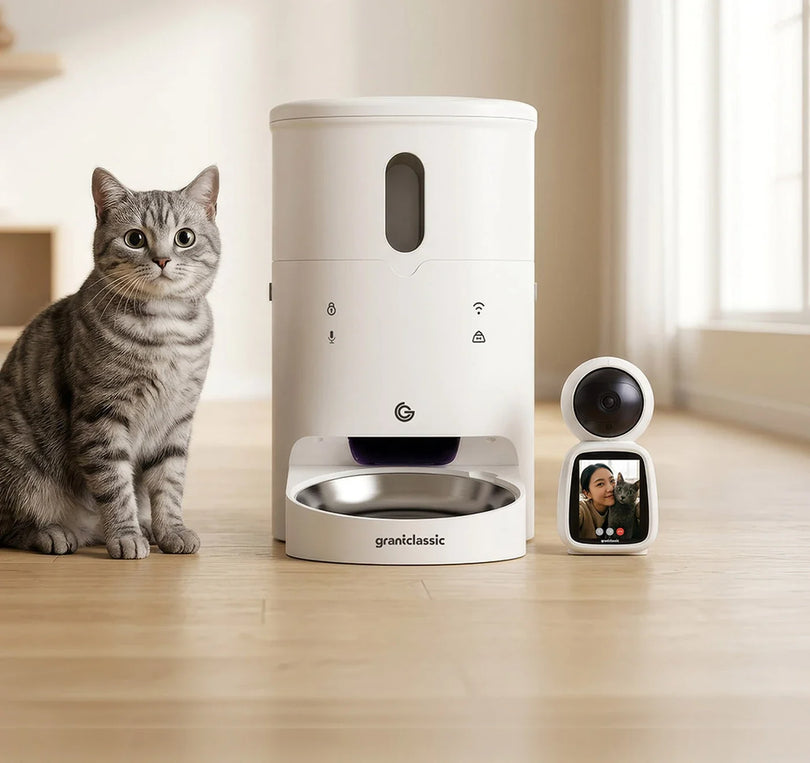
If your hours move around a lot, an automatic feeder can dispense set portions at set times, so a late night at work does not turn into a missed meal. But a feeder is a management aid. It does not replace checking every day that your dog is eating normally, and it does not replace company and interaction.
If your dog is on a special diet or medication, or has trouble swallowing or eats too fast, check with your veterinarian about the right feeding approach before you use one.
Still deciding whether you need an automatic feeder? Start here: is an automatic pet feeder worth it? a hands-on look for people who travel and work late.

At home: hair, dander, and odor each need their own approach
Dog care is not only about food and water. How dry and clean your home stays affects the comfort of both your dog and the rest of the household.
During shedding season, hair piles up on sofas, mattresses, rugs, and in corners. Pee pad areas, beds, and toys develop odor if they are not cleaned regularly. No single appliance solves all of this, so pair the right method to each problem:
- Hair on floors and furniture: a vacuum, a shedding brush, or a lint tool.
- Fine dander and dust in the air: keep the room ventilated, and add air cleaning if needed.
- Pee pad areas and odor sources: clear waste promptly and clean the surrounding floor.
- Beds, blankets, and fabric items: wash regularly and dry thoroughly.
- Toys and bowls: wash according to the material and how often they are used, and do not leave them damp.
An air purifier handles airborne particles and some odors. It does not replace vacuuming floors, washing fabrics, or cleaning the source of a smell. If someone in the household has allergies, or your dog has a skin or respiratory condition, ask your doctor or veterinarian before choosing equipment.
For help choosing air cleaning equipment for a home with pets, see pet air purifiers: 5 things to check for hair, allergens, and odor.
Drying thoroughly after a bath is part of cleaning too
After a bath, do not stop at the surface. Check that the undercoat, paws, between the toes, the armpits, and skin folds are completely dry. On long, double, or heavy coats especially, the surface can feel dry while the layers underneath still hold moisture.
When using a dryer or a pet drying unit, watch the temperature, the airflow, and the total time, and watch your dog for agitation, heavy panting, or discomfort. A pet drying unit is for drying the coat, not for disinfecting. The chamber, hair collector, and filter still need regular cleaning per the instructions.

Turn water, food, and cleaning into a routine
Rather than reacting once the water is dirty, the food bin is empty, or the house smells, break dog care into small tasks you can finish daily and weekly.
Every day, check:
- Whether there is enough fresh water.
- Whether the water and food bowls are clean.
- Whether your dog is eating, drinking, and eliminating normally.
- Whether the pee pad area, floors, and favorite spots need cleaning.
- Whether equipment is working, with no jammed food, leaks, or odd noises.
Every week, plan for:
- Washing beds, blankets, and other frequently used fabrics.
- Deep cleaning the removable parts of the water fountain and feeder.
- Cleaning furniture gaps, rugs, and the places your dog spends time.
- Checking how the food is stored, and the state of filters and consumables.
Water fountains, feeders, drying equipment, and food storage containers all cut down on repetitive work, but every added device is one more thing to maintain. Before you buy, decide what problem you are actually trying to solve, then weigh capacity, ease of cleaning, consumable costs, and the space it takes. You do not have to buy everything at once.
Dog care is an ongoing adjustment, not a one-time setup
A dog's needs change with age, season, activity, and health. Puppies, adults, and senior dogs are not fed the same way, and water intake after a summer outing looks different from winter. So even after the equipment is set up, keep watching.
Every so often, review your current routine:
- Is water intake far off from usual?
- Do the portions still suit your dog's weight and activity level?
- Has the food absorbed moisture, gone stale, or developed an odor?
- Do the fountain filter or other parts need replacing?
- Is your cleaning frequency keeping up with shedding and activity?
- Have your dog's appetite, body condition, skin, or elimination changed?
The World Small Animal Veterinary Association notes that the type of food, the amount, and the feeding method should be adjusted to body condition, weight, age, lifestyle, and health, with ongoing attention to changes in water intake and appetite. Reference: WSAVA Principles of Wellness
Good dog care is not about getting every detail perfect. It is about building daily habits you can keep up, and adjust as your dog changes.

FAQ
What if my dog does not like drinking water?
Start by checking that the water is fresh, the bowl is clean, and the spot is not too noisy or too close to where they go to the bathroom. You can also add a second water station, or see whether your dog prefers running water. If intake drops suddenly along with changes in energy or appetite, talk to your veterinarian.
How much water should a dog drink in a day?
Needs vary with weight, moisture in the diet, temperature, activity, and health, so no single number fits every dog. Rather than following a formula, learn what your dog normally drinks and watch for sudden increases or decreases. Reference: Merck Veterinary Manual
Who is an automatic feeder for?
It suits owners with irregular hours, occasional late nights, or anyone who wants easier control over feeding times and portions. You still need to confirm daily that the feeder dispensed correctly, that your dog finished the food, and that appetite looks normal.
Do I still need to change the water daily if I use a fountain?
Yes. Circulation and a filter do not mean the water can sit for long stretches. Check the water quality and level daily, change the water regularly, and clean the reservoir, spout, pump, and tubing per the instructions.
How often should a fountain filter be replaced?
There is no universal interval. Follow the product instructions and adjust for water quality, the number of pets, and your environment. Replace early if you notice an odor, weaker flow, visible grime, or discolored filter material, rather than going by days alone.
Does having a dog mean paying extra attention to air quality?
It is worth watching dander, dust, humidity, and odor sources. Air cleaning equipment helps with some airborne particles, but it still needs to be paired with vacuuming, ventilation, and washing fabrics.
How often should dog supplies be cleaned?
Use the following as a baseline, then clean more often as needed:
- Wet food bowls: after every use.
- Water bowls and dry food bowls: at least once a day.
- Beds, blankets, and bedding: weekly as a rule.
- Toys: monthly as a rule, and immediately when they pick up saliva, food, or waste.
- Fountains, feeders, and drying equipment: disassemble and wash per the instructions, and clean filters, hair collectors, and anything that touches food or water more often.
Once an item is damaged, moldy, permanently smelly, or cracked in a way you cannot clean, stop using it.


