





The core of pet hygiene is that the places you cannot see are the ones that go wrong.Plenty of owners scoop the litter box, wash the bowls, and mop the floor every day and feel the cleaning is covered, while scale inside the water fountain, residue in the corners of the feeder, and dander drifting through the air are the real sources of bacteria and odor. This article splits pet hygiene into three layers, water, food, and environment, and covers what gets missed in each and what you can change.
Water hygiene: water quality goes straight to your pet's health
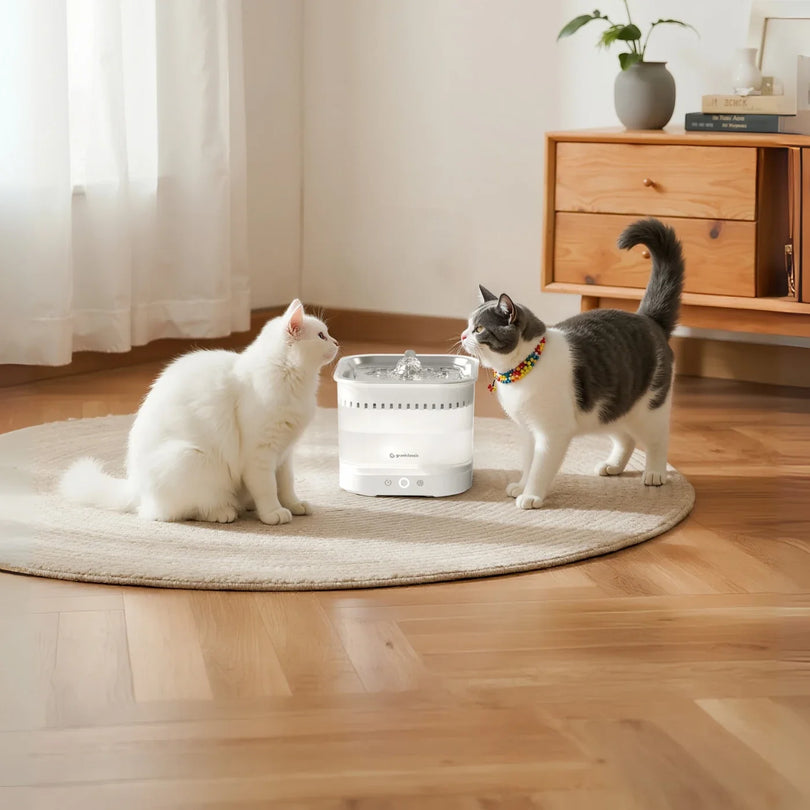
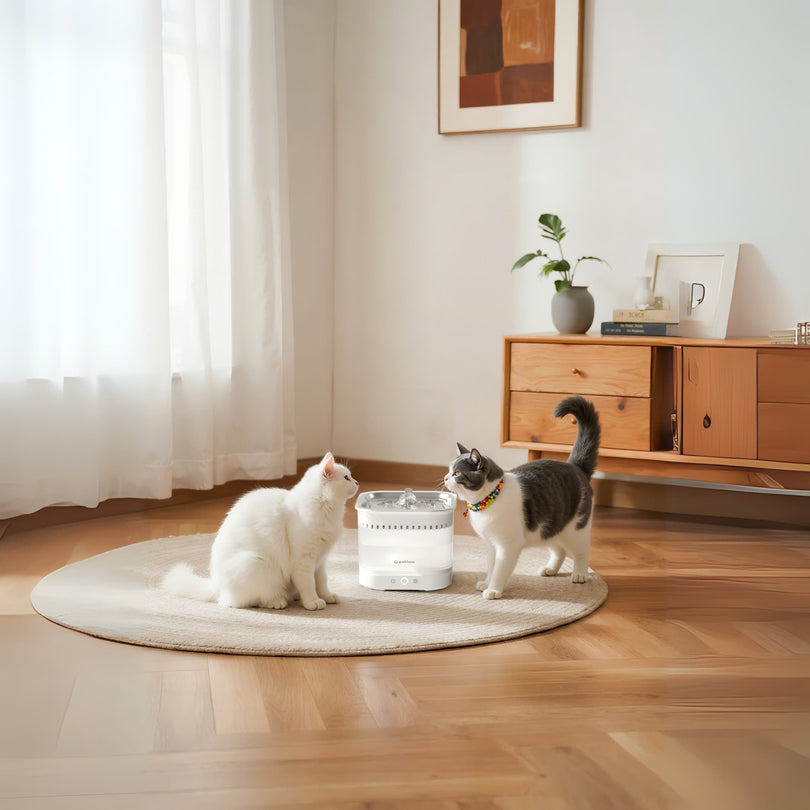
Fountain hygiene is often worse than people assume. If the water in the bowl sits for days, or the cartridge is never replaced, bacteria and algae grow easily in a dark, damp environment, and the water your pet drinks is worse for it. Change the water at least once a day and replace the cartridge on the schedule in the product instructions to keep the basics covered.
If your fountain uses a magnetic circulation design, the movement of the water itself helps reduce stagnant areas and gives bacteria less opportunity.

Cartridges are the consumable people forget. Leaving one in too long does not just weaken filtration, it can turn the filter into a place bacteria live. For details, see how often to change a pet fountain filter, which covers intervals by material and how to tell when one is done.

Food hygiene: bowls and feeders need regular cleaning too
Rinsing a bowl with water alone leaves grease and saliva behind, and over time that grows bacteria and can lead to skin or digestive trouble. Ceramic bowls are relatively easy to clean and resist the scratches where bacteria hide, which is why many owners choose them first.
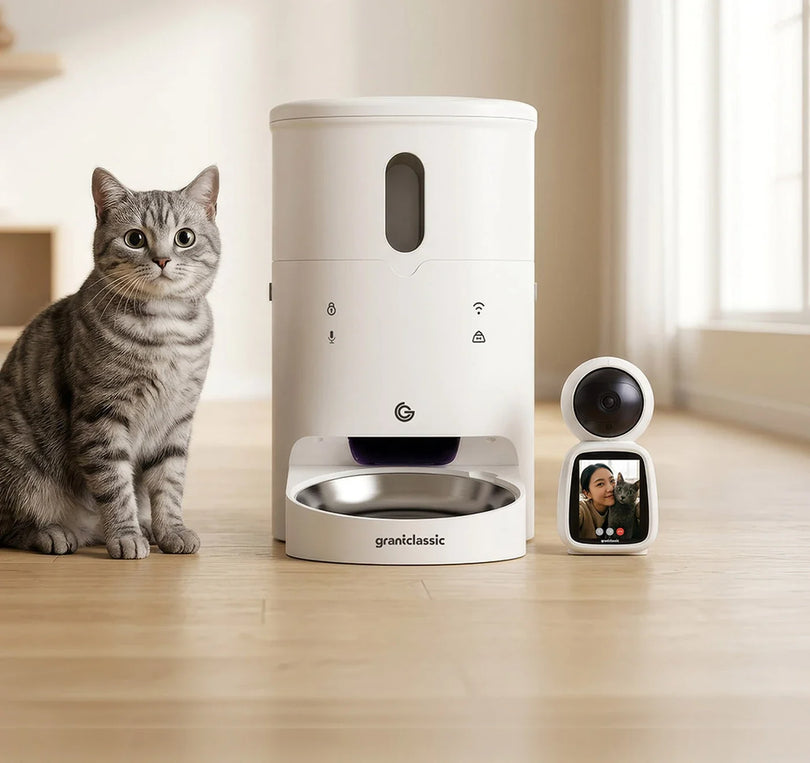
An automatic feeder that never gets cleaned inside the hopper has the same problem: humidity plus kibble dust makes a hygiene blind spot. When shopping, check whether the hopper comes apart easily for cleaning and whether there is any desiccant or moisture-resistant design.

If you have several pets, or need to handle water, food, and drying at once, using a matched set of pet appliances is a common approach and makes overall hygiene easier to manage as a system.

Home environment: litter, air, and dander
Environmental hygiene covers more ground than people expect. Beyond floors and furniture, how you handle the litter box and the air quality matter just as much. If a litter robot has insensitive sensors or weak odor control, the smell spreads through the whole home. For how to choose one, see how to choose an automatic litter box: safety sensors and odor control explained, which compares safety sensing and deodorizing technology.
Odor control itself varies a lot by method. Activated carbon, UV sterilization, and ozone each suit different situations and each has limits, so it helps to understand the principles before choosing. See litter box odor control compared: activated carbon, UV, and ozone.
Pet dander and allergens are the other easily missed piece. Airborne dander can trigger allergies and affect indoor air quality generally. For what to look for, see choosing a pet air purifier: five things that matter for hair, allergens, and odor, and for filter care and replacement timing, see how often to change a HEPA filter: a pet air purifier maintenance guide, so a spent filter does not become a second source of contamination.
Do not skip the details after bath time
If a coat is not dried thoroughly after a bath, damp fur encourages fungus and bacteria and can lead to skin problems over time. The right dryer cuts drying time considerably and lowers that risk. If you are weighing options, see the pet dryer buying guide for a fuller picture.
Build hygiene into the daily routine
Pet hygiene is not a one-time deep clean, it is an accumulation of daily habits. Use this as a basic checklist:
- Water: change it daily, replace cartridges on schedule
- Bowls and feeders: clean regularly, watch for food residue building up
- Litter box: scoop daily and check that odor control is still working
- Air quality: watch dander and allergens, replace filters based on use
- After a bath: dry thoroughly so damp fur does not grow bacteria
Fold these into everyday life and hygiene stops feeling like a chore, while your pet and the rest of the household live in a cleaner home.
FAQ
How often should a pet water fountain be cleaned?
Generally, change the water daily, and clean the body and replace the cartridge on the schedule in the product instructions, so scale and bacteria do not build up.
Are automatic feeders less hygienic?
As long as you clean the hopper and the dispensing chute regularly, an automatic feeder is no less hygienic than feeding by hand. It can actually reduce how long food sits exposed to the air.
How long does litter box odor control last?
It depends on the technology. Activated carbon, UV sterilization, and ozone all suit different situations, so judge replacement or maintenance timing by how heavily the box is used.
Do air purifiers help with pet allergies?
An air purifier can lower the concentration of dander and allergens in the air, but the filter has to be replaced on schedule to keep working, otherwise a spent filter becomes a source of contamination itself.
Does my pet really need a dryer after a bath?
Air drying alone leaves a damp environment where bacteria and fungus grow easily. Using a dryer to get the coat properly dry is recommended, particularly for thick coats or during humid weather.


