




Pick the wrong food container and even expensive kibble goes off early. Most pet owners learn that the hard way. Once food takes on moisture or spends too long in contact with air, the fats oxidize and the flavor fades. A pet turning up its nose is the small problem. An upset stomach is the bigger one. Here is what actually matters when you choose a food container, starting from how people really store food at home.
Why the container matters
Plenty of people leave the food in its original bag and roll the top down with a clip after each scoop. But every time that bag opens, air and humidity go in with it.
Over time the kibble can pick up moisture, and the fat on the surface oxidizes as it meets air. A pet's sense of smell is far sharper than ours, so once food stops smelling fresh, they usually know, and appetite can drop with it.
In a humid climate, or during a muggy summer, food that is not properly sealed can start to take on moisture, clump, or change flavor within a week or two.
So the original bag on its own is not always enough. A container that limits contact with air and humidity adds a layer of protection to what your pet eats every day.
Three things to check when choosing a container
1. The seal has to be real
Sealing is the whole job of a food container.
Look for a lid with a silicone gasket, latches, or a vacuum design. Closing it should feel like it seats and grips, not like a lid you rest on top.
If there is still a gap between lid and body, air and humidity get in anyway, and most of the moisture protection goes with them.
2. Safe material that does not hold odors
Kibble carries fat, and the container is in contact with food for long stretches, so material safety matters.
Choose food-grade plastic, stainless steel, or a product clearly labeled free of BPA and phthalates. Cheaper materials can take on an odor over months of use, or hold a greasy film that is hard to wash off.
Look at the inside too. A smooth interior is easy to clean. Lots of grooves and hard-to-reach corners trap crumbs and oil, which affects the smell and freshness of the next batch.
3. Capacity that matches how much you actually use
Bigger is not better.
Too small, and a full bag will not fit, so some of it stays in the original packaging anyway. Too large, and there is more empty space and more air inside, which is not what you want for longer storage.
Work out how much your pet eats per day, then size for roughly three to four weeks of food. That keeps the food from being exposed to air too often, and keeps any one batch from sitting too long.
Everyday storage tips
- Close the lid promptly after each scoop instead of leaving it open.
- Keep the container somewhere cool, dry, and well ventilated, out of direct sun and away from a stove or oven.
- When a batch runs out, clean out crumbs and oil residue and let the container dry completely before refilling.
- Switching brands or flavors is a good moment to wash the container, so the old food's smell does not carry over.
- Label the container with the food name and the date you opened it, so you can track how long it has been stored.
- Do not pour new food on top of old. Empty it first, confirm there is no dampness or off smell, then refill.
For longer freshness, consider a vacuum container
If you buy large bags, your pet eats through them slowly, or you live somewhere humid, a vacuum container is worth a look.
Compared with an ordinary sealed bin, a vacuum design pulls out more of the air and humidity inside, so food is less likely to take on moisture, oxidize, or lose flavor over a long stay.
The LuxVault vacuum pet food container reaches up to -20 kPa of negative pressure and evacuates the full container in about 5 minutes, then uses a 24-hour smart pressure system to monitor the inside. When pressure changes, it pumps again, so the storage environment stays steadier.
The 15 L (about 4 gal) capacity fits the large bags most households buy. The body uses ABS and PC, with the ABS rated at an antibacterial rate above 99.9%, and it is labeled free of BPA and phthalates.
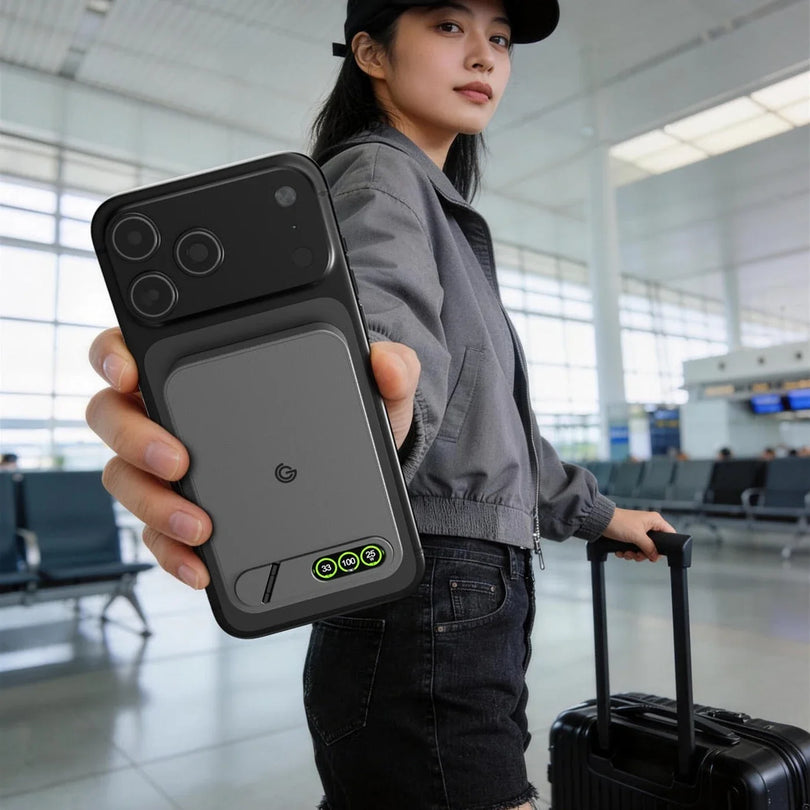
To get food out, press the one-touch release to vent, then open the lid. The detachable vacuum pump has a built-in 2,600 mAh battery, so it does not need to stay plugged in, and it lifts off to use with vacuum storage bags as well.
FAQ
How often should I wash a pet food container?
Generally, wash it each time a batch runs out and you open a new bag. If your pet works through food slowly, wash it at least once a month so oil residue does not affect the flavor.
Can I put a food container in the refrigerator?
Large containers usually will not fit, and they do not have to. Somewhere cool, dry, and well ventilated is fine. The seal is what matters.
Plastic or stainless steel?
Both have their strengths. Plastic is lighter and easier on the budget, while stainless steel lasts longer and resists staining and retained odors. Choose based on your budget and how you use it.
Should I add a desiccant?
If the container seals well, you generally do not need one. During a rainy season or in an unusually humid room, a food-safe desiccant is a reasonable addition.
How do I estimate the right capacity?
Take your pet's daily portion and multiply by the number of days you want to store, typically three to four weeks. That gives you a close enough target and keeps you from buying a container that is too big or too small.
The right container is what protects every mouthful
Storing food well is not just about putting it away. It is about limiting how much air, humidity, heat, and stray odor reach it.
The seal, the material, the capacity, and how you clean it all shape how fresh the food stays. Match the container to how much your household goes through and the climate you live in, and you waste less food and feel better about what your pet eats every day.


