








Cats are not natural drinkers, and that is exactly why water intake deserves attention. Roughly one in three cats faces a kidney or bladder problem at some point in life. In summer, rising temperatures make dehydration easier to fall into, so getting more water into your cat matters more than usual. The trouble is that most cats are not especially interested in a water bowl, which is a familiar frustration for anyone living with one.
The good news is that a few practical habits can raise daily intake, keep your cat better hydrated, and lower the risk of urinary and kidney issues.

Add more wet food
Very few cats can resist canned food, so add a little extra water to the can. It raises water intake and thins the flavor slightly, which usually makes it easier to accept, not harder.

Put out more than one bowl
Cats can be particular, and they often prefer one bowl over another for no obvious reason. Set up several bowls in different rooms so water is always within easy reach.

Change how the water tastes
Silvervine sprays are easy to find, and a spritz in the water works because most cats are drawn to silvervine. Catnip is another option, and it does tend to raise how much they drink. Both are simple to use day to day.

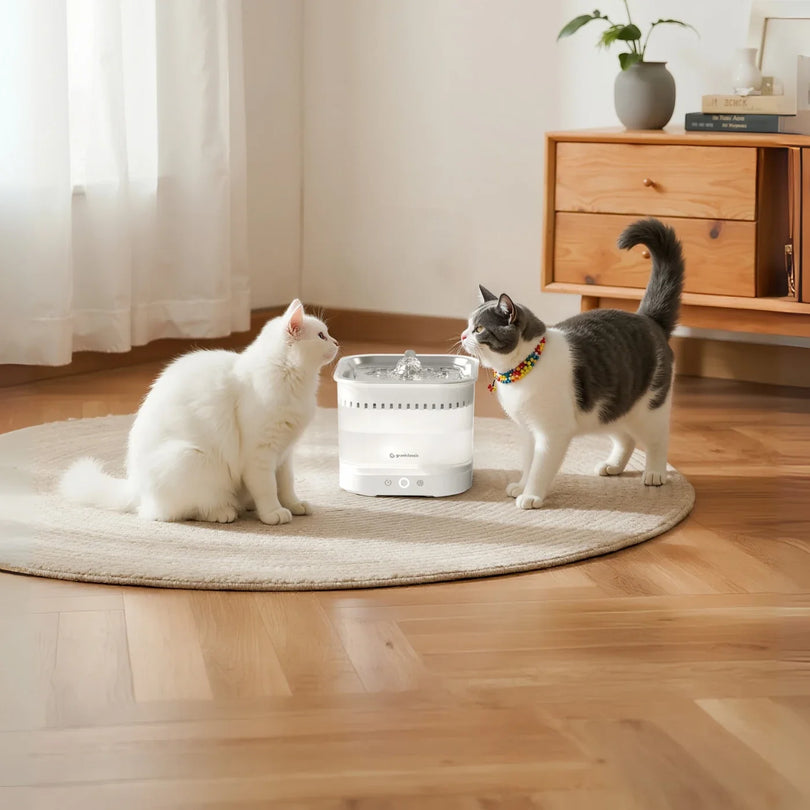
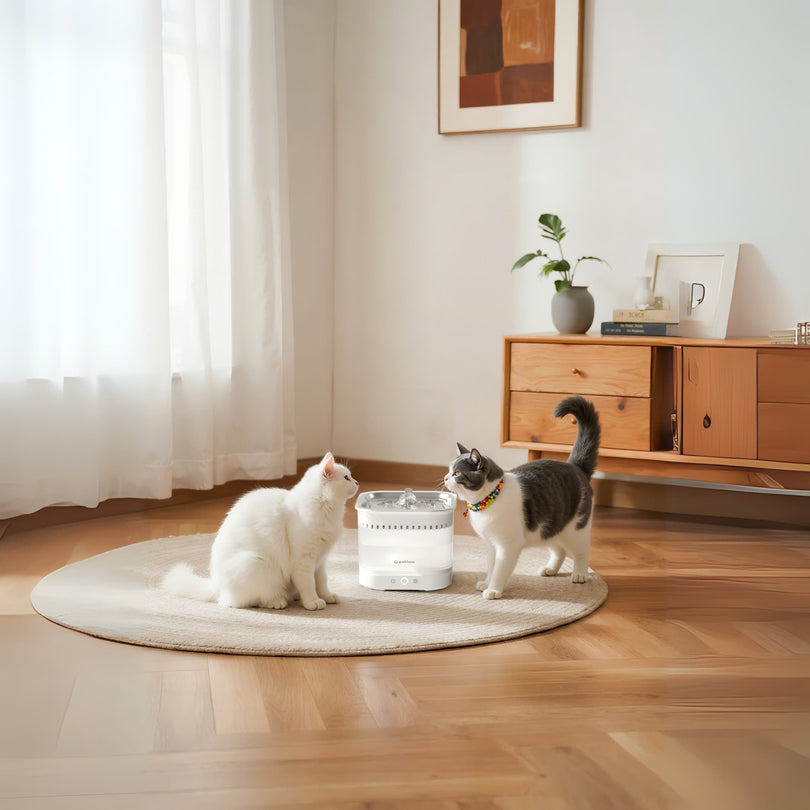
Try a pet fountain
Some cats prefer moving water. If yours drinks from the faucet, a fountain made for cats is worth trying. Water circulates continuously, and that movement is what draws many cats in.

Keep the bowl clean
Cats care about clean. Food crumbs fall into the water and spoil it quickly, so wash the bowl often and keep the water fresh.

Adjust the water temperature
On a hot summer day, an ice cube or two makes a bowl more appealing. In winter the reverse is true, and slightly warm water gets a better response, with somewhere around 35°C (95°F) being the sweet spot.
Why water intake matters

Water intake has a large effect on a cat's overall health. Water is the foundation of life for every animal, and for a cat, drinking enough is central to normal body function.
First, water drives metabolism. It takes part in the body's chemical reactions and helps carry waste out. Too little water can slow metabolism, and with it a cat's energy and activity. Water also helps regulate body temperature, which matters most in hot weather or after exercise.
Second, adequate water helps prevent urinary disease. Cats naturally have a low thirst drive, and that leaves them more prone to bladder stones and urethral blockages. Enough water dilutes the urine and lowers the risk of stones forming.
Third, water matters even more for cats on a mostly dry diet. Kibble holds little moisture, so the rest has to come from elsewhere. A cat that does not get enough can slide into dehydration.
In short, steady water intake is central to a cat's health. Watch your cat's drinking habits, and put a few of these habits in place so they get what they need.


