




As pet owners, we all want to give our animals the best care we can. Beyond choosing good food, keeping the feeder clean is just as important to a healthy feeding environment. It protects your pet from bacteria, and it keeps the food they eat fresh. This article walks through how to clean and maintain a pet feeder, and why it matters to your pet's health.
1. How to clean a pet feeder
Keeping the feeder clean is the baseline for a healthy feeding setup. Here is a routine to work from:
1. Rinse the feeder daily with warm water to clear food residue and grime.
2. Wipe the surfaces gently with a mild dish soap, making sure nothing is left behind.
3. Rinse thoroughly with clean water so no soap residue remains.
4. At least once a week, soak the feeder in diluted alcohol or a diluted bleach solution to disinfect it. Rinse it completely before the next use.
5. Dry it with a clean towel or paper towel and set it somewhere dry.

2. Why disinfecting matters
Hygiene at the bowl is central to a pet's health. Leftover food and the bacteria it feeds are a real risk. Disinfecting the feeder on a schedule cuts down on bacteria and viruses and gives your pet a clean place to eat. Remember that a pet's immune system may not be as robust as yours, which is why regular disinfection matters. It helps prevent illnesses caused by bacteria and parasites, such as intestinal infections and digestive upset. A hygienic feeder means a safe place to eat, and food that stays fresh and nutritious.

3. Practical hygiene habits
Beyond regular cleaning and disinfecting, a few habits help keep the feeding area healthy:
1. Clear residue after every meal. Leftover food in the bowl is where bacteria and parasites take hold.
2. Refresh food and water regularly. Do not let either sit for long stretches, especially in hot weather.
3. Choose materials that clean easily. Stainless steel or ceramic wipes down and disinfects well; hard-to-clean plastic does not.
4. Check for wear and damage. Inspect the feeder regularly and replace it if anything is cracked or worn, so your pet cannot be cut or swallow a fragment.

4. What leftover food does to your pet's health
Food residue left in a feeder can work against your pet's health. It becomes a breeding ground for bacteria and mold, which leads to infections and digestive problems. It also attracts ants, flies and other pests, which contaminate the feeding area further. Clearing residue regularly is one of the simplest things you can do for your pet's health.

5. How hygiene connects to overall health
Hygiene habits are closely tied to a pet's general health. A clean feeder does more than prevent illness; it supports appetite and digestion. Pets need a clean place to eat in order to absorb the nutrients in their food properly. Good habits also help head off common problems such as stomach upset and skin conditions. Building the habit of cleaning the feeder regularly is part of the job of a responsible owner.

6. Why the feeder needs to stay dry
Clean is only half of it; dry matters too. Damp surfaces encourage bacteria and mold, and that is a threat to your pet's health. After feeding, dry the feeder promptly so water does not sit on it. Check the area around the feeder as well, and keep it dry and clean.
7. Building a cleaning schedule
A schedule is what makes all of this stick. Based on how often your pet eats and what kind of food they get, set a plan for regular cleaning and disinfecting. Daily washing is generally necessary, with a deeper clean and disinfection at least once a week. Following that schedule is what keeps the routine from slipping.
Keeping a pet feeder clean and maintained is a core part of a healthy feeding environment. Regular cleaning and disinfection prevent bacteria and viruses from taking hold and give your pet somewhere safe and hygienic to eat. Good habits and a dry feeder go a long way toward preventing problems before they start.
As owners, it is on us to keep the feeding area clean, for our pets' health and their comfort. Cleaning and maintaining the feeder is not only physical care; it is how that care shows up day to day. A hygienic, safe place to eat is a commitment worth keeping.

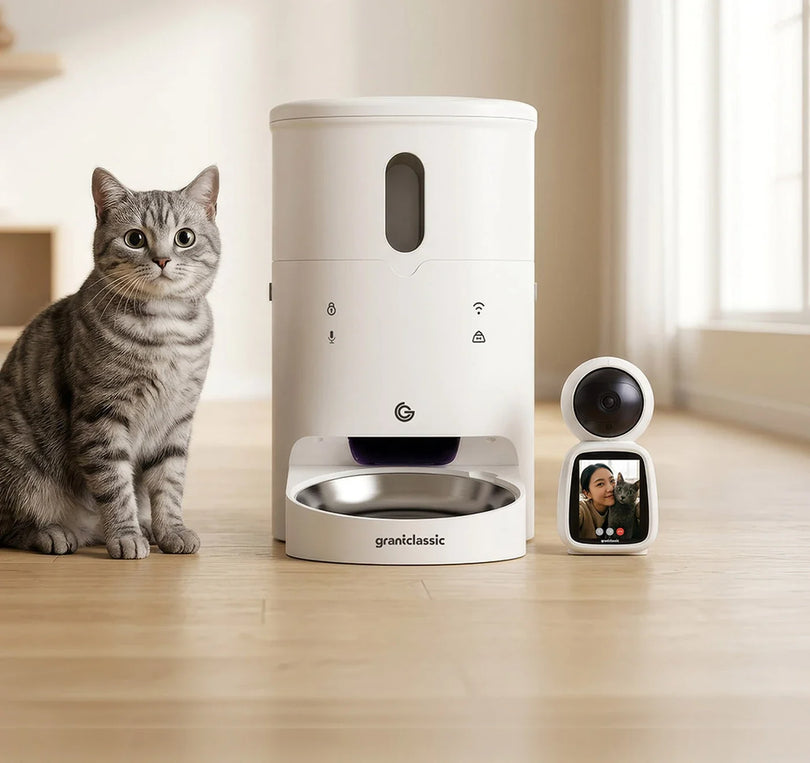
Related reading: a design that comes apart easily saves a lot of maintenance time. See the LuxNourish automatic feeder, built to take apart and wash.


