




In hot, humid summer weather, pet food and feeders are easy targets for pests. Ants, roaches and other insects do not just contaminate food; they can put your pet's health at risk. Keeping a feeder clean matters, and this article covers five simple, effective ways to keep pests away and your pet's food safe.

Why the feeder matters, and what pests put at risk
A feeder is a key part of caring for your pet, and pests are a direct threat to the safety of the food in it. Ants, roaches and other insects go looking for food and will breed near the feeder. Beyond contaminating the food, they can spread disease. Keeping pests out of the feeder is worth the effort.

The basics of a pest-free feeder
A few principles cover most of it. First, clean and sanitize the feeder regularly to remove leftover food and the smells that draw insects. Second, choose the storage spot carefully, away from damp corners where insects thrive. Third, seal and store pet food properly, which cuts the risk of an infestation considerably.
Tip one: keep the area around the feeder clean
The first step is the space around the feeder. After every meal, clear away spilled kibble and drops of water, which are two of the biggest attractants. Wash the feeder thoroughly with warm water and detergent, then dry it with a clean cloth or paper towel. A dry area around the feeder gives insects nowhere to breed and nothing to find.
Tip two: clean and sanitize the feeder on a schedule
Regular cleaning and sanitizing is what keeps pests out. Use warm water and dish soap and wash the feeder thoroughly, paying attention to the bottom of the bowl and the hidden edges. Remove every trace of food residue and grease, then rinse with hot water or use a sanitizer. That keeps the feeder hygienic and gives pests far less to work with.

Tip three: pick the right storage spot
Where you keep things matters. Avoid damp locations, which are where insects breed. Store pet food in a well-sealed container so pests cannot get in. Keep it somewhere dry, cool and out of direct sunlight, which also helps the food last longer.
Tip four: use a pest deterrent or a natural alternative
For extra protection, consider a pest deterrent or a natural repellent. Some products are made specifically for pet food and feeders. Natural approaches are popular too, using certain herbs, plants or essential oils. These can keep insects away without harming the food. Whatever you use, read the product instructions and follow them carefully, and confirm it is safe around your species of pet.
Tip five: inspect and maintain the feeder regularly
The last tip is regular inspection. Check the feeder for damage or broken parts and repair or replace them promptly, since a cracked feeder gives pests somewhere to settle. At the same time, look for signs of insects around the feeder, such as ant trails or food residue. Deal with anything you find right away to keep the feeder clean.

Conclusion
Keeping pests out of the feeder is how you keep your pet's food safe. Clean the area around it, wash and sanitize the feeder on a schedule, store food in the right place, use a deterrent or natural repellent where it helps, and inspect the feeder regularly. Do that and pests stop being a problem, and your pet gets a clean, safe place to eat.
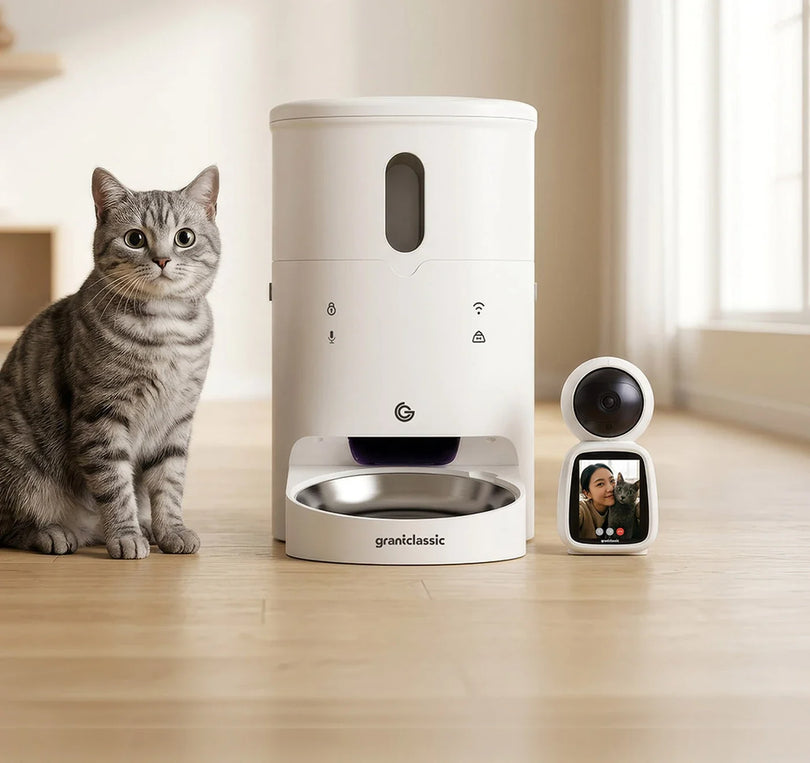
Further reading: for a design that is easy to clean and less inviting to insects, take a look at the grantclassic LuxNourish smart feeder.


